117 Pershore Road, Birmingham B5 7NX, UKToubatawfeex@gmail.com

Khadim Rassul Community Centre · £37,000 of £500,000

Support the Centre
Grande Mosquée de Touba

About Touba Tawfeex

طوبى توفيق

Touba Tawfeex Birmingham Charity serves the Birmingham Murid community through faith, education, charitable service (khidma), and cultural preservation. Rooted in the teachings of Sheikh Ahmadou Bamba, we welcome everyone seeking spiritual growth, learning, and solidarity.

Support Our Work

Our Path

A short introduction to Xadim Rassul, the Murid way, and our dahira in Birmingham.

Xadim Rassul

Cheikh Ahmadou Bamba (Xadim Rassul — Servant of the Messenger) founded the Murid path in Senegal. His life centred on peace, education, devotion to Allah and His Prophet ﷺ, and service (khidma). His writings and example still guide Murid communities worldwide.
The Murid path

The Murid path (Muridiyya) is a major Sufi Islamic tradition founded in Senegal in 1883 by Cheikh Ahmadou Bamba (Xadim Rassul). It emphasises spiritual development, education, good character, service to others (khidma), and personal responsibility. Sacred labour — hard work, responsibility, and economic self-sufficiency — is regarded as a way of serving Allah and supporting the community, alongside kourel, zikr, and fellowship lived by Murids worldwide.

Touba Tawfeex in Birmingham

Touba Tawfeex Birmingham Charity is a UK-registered Murid dahira. We gather at Keur Serigne Touba (117 Pershore Road) for Dahira, Madrassah, Kourel, and Magals, and we are raising funds for the Khadim Rassul Community Centre — a lasting home for worship, learning, and service in Birmingham, including teaching children the Quran and the Sunnah of the Prophet Muhammad ﷺ.

For deeper study, visit our Library and Media pages. Library · Media

Our Values

Guiding principles for everything we do as a Murid community in Birmingham.

Faith

الإيمان

Deepening devotion through zikr, prayer, and the teachings of Sheikh Ahmadou Bamba.

Education

التعليم

Nurturing knowledge through Madrassah and lifelong learning for all ages.

Service (khidma)

الخدمة

Serving neighbours and the wider community with compassion and solidarity.

Culture

الثقافة

Preserving Senegalese Murid heritage, language, and traditions in Birmingham.

Our Spiritual Guides

The lights of the Murid path that guide Touba Tawfeex Birmingham Charity in faith, education, and service (khidma).

« وَمَن يَتَوَكَّلْ عَلَى اللَّهِ فَهُوَ حَسْبُهُ »

“And whoever puts their trust in Allah — He is sufficient for him.”

Qur’an 65:3 · Xadim Rassul
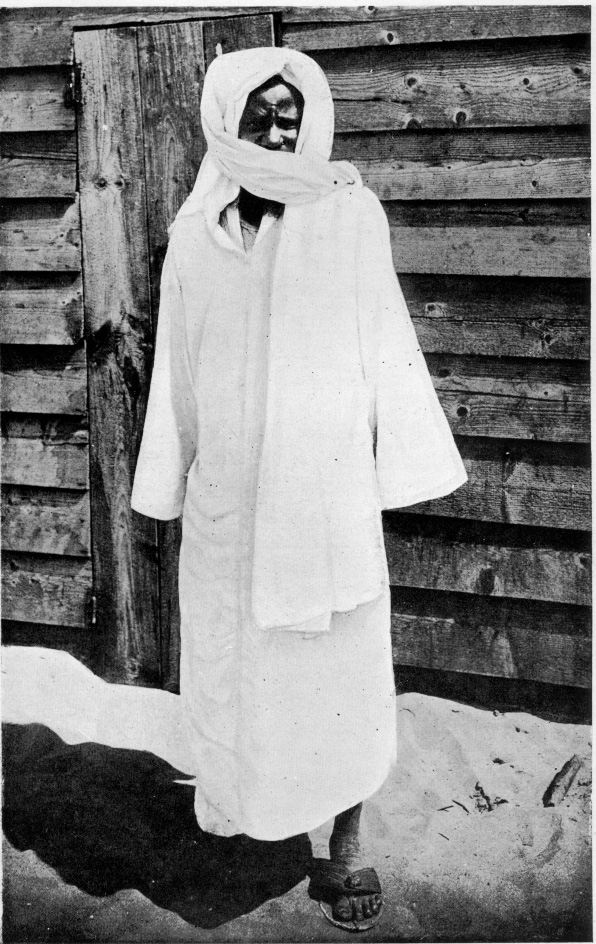
Historic photograph of Xadim Rassul — Cheikh Ahmadou Bamba (Khadimou Rassoul)

Xadim Rassul

Cheikh Ahmadou Bamba

Cheikh Ahmadou Bamba (Xadimu Rassul — Servant of the Messenger ﷺ) was born around 1853 in Senegal. He founded the Muridiyya path, centred on devotion to Allah and love of the Prophet ﷺ, with nonviolence, work, and education as guiding lights. After years of exile under colonial rule, he established the holy city of Touba. He returned to Allah in 1927; his teachings continue to guide Murids worldwide.

Serigne Mountakha Mbacké, Actual Caliph of the Murid

Serigne Mountakha Mbacké

Actual Caliph of the Murid

Serigne Mountakha Mbacké has been the Actual Caliph of the Murid since 2018, guiding the Murid community worldwide. Grandson of Cheikh Ahmadou Bamba, he leads with wisdom, unity, and service — continuing the path of Touba in faith, education, and solidarity.

Sokhna Diarra (Mame Diarra Bousso)

Sokhna Diarra

Mame Diarra Bousso

Mame Diarra Bousso (Sokhna Diarra) is the blessed mother of Cheikh Ahmadou Bamba. Revered for her piety, patience, and devotion, she is honoured across the Muridiyya as a model of faith and maternal blessing (baraka) — a light in the lineage of Xadim Rassul.

Mame Cheikh Ibrahima Fall

Mame Cheikh Ibrahima Fall

Founder of the Baye Fall

Mame Cheikh Ibrahima Fall was among the closest disciples of Cheikh Ahmadou Bamba and founder of the Baye Fall. Known for absolute devotion, hard work (xidma), and service to the Sheikh, his example of love and labour remains central to Murid spiritual life.

Caliphs of the Murid

The spiritual successors who have guided the Muridiyya since 1927.

  1. 1.
    Serigne Moustapha

    Serigne Moustapha

    Photo: Wikimedia Commons · CC BY-SA 4.0

    1927–1945

    Cheikh Mouhammadou Moustapha Mbacké

    Cheikh Mouhammadou Moustapha Mbacké was the first Caliph of the Mouride community following the passing of his father, Cheikh Ahmadou Bamba, in 1927. He assumed responsibility at a defining moment: the founder was no longer physically present, but his teachings, writings and community of disciples needed continuity. His leadership from 1927 to 1945 helped establish the institution of the Caliphate as a means of spiritual guidance and collective organisation.

    Read full biography

    One of the most visible undertakings associated with him was the launch of construction of the Great Mosque of Touba. The project demanded long-term planning, the movement of building materials and the participation of disciples. Hizbut Tarqiyyah's account of the mosque records the preparation of the site and the laying of the foundation stone in 1932 under his leadership. The undertaking became an important expression of the Mouride tradition of service and work.

    His legacy therefore goes beyond a single monument. He helped the community navigate the first transition after the founder's death while maintaining Touba's place at the centre of Mouride religious life. Subsequent Caliphs continued the mosque project and the broader task of transmitting Cheikh Ahmadou Bamba's message. He died in 1945 and was succeeded by his brother, Serigne Falilou Mbacké.

    Historical reference — Hizbut Tarqiyyah ↗
  2. 2.
    Serigne Falilou

    Serigne Falilou

    1945–1968

    El Hadji Mouhammadou Fadilou (Falilou) Mbacké

    El Hadji Mouhammadou Fadilou Mbacké, affectionately known as Serigne Fallou, became the second Caliph in 1945, following the passing of his elder brother Serigne Mouhammadou Moustapha. A son of Cheikh Ahmadou Bamba, he was entrusted with leading a growing community whose religious centres and responsibilities extended well beyond Touba. He remained Caliph until 1968.

    Read full biography

    His period of leadership is closely connected with the continuation and completion of the Great Mosque of Touba, inaugurated for Friday prayer in 1963. That achievement built on the groundwork of his predecessor and the contributions of many disciples. The mosque became a focal point for collective worship, instruction and major Mouride gatherings. Hizbut Tarqiyyah also records his interest in agriculture and work, including his call for people to return to the land.

    Remembered within the Mouride tradition for his devotion and spiritual guidance, Serigne Fallou represents a period of consolidation. He helped carry forward his father's religious legacy while strengthening the institutions that served the community. His passing in 1968 marked the end of more than two decades of leadership and the beginning of the Caliphate of Serigne Abdoul Ahad Mbacké.

    Historical reference — Hizbut Tarqiyyah ↗
  3. 3.
    Serigne Abdoul Ahad

    Serigne Abdoul Ahad

    1968–1989

    Cheikh Abdoul Ahad Mbacké

    Cheikh Abdoul Ahad Mbacké, widely known as Serigne Abdoul Ahad or Baye Lahad, was born in Diourbel in 1914, according to Hizbut Tarqiyyah's biography. A son of Cheikh Ahmadou Bamba, he became the third Caliph in 1968 after Serigne Falilou Mbacké. He led the Mouride community until his death in 1989, during years of continuing growth in Touba and across Senegal.

    Read full biography

    His sermons hold a significant place in the memory of the community. Hizbut Tarqiyyah describes them as carefully structured teachings that combined spiritual instruction, clear reasoning and direct guidance about conduct. His public messages emphasised truthfulness, responsibility, sincere service and fidelity to the teachings of Cheikh Ahmadou Bamba. They remain part of the intellectual and moral legacy associated with his leadership.

    The development of Touba's religious environment also continued during his Caliphate. Historical accounts describe works around the Great Mosque and the wider organisation of the city. More fundamentally, his leadership reinforced the understanding that Mouride devotion should be reflected in personal behaviour as well as public religious life. When he died in 1989, he was succeeded by Serigne Abdou Khadre Mbacké. His sermons remain a valuable starting point for visitors wishing to understand this period.

    Historical reference — Hizbut Tarqiyyah ↗
  4. 4.
    Serigne Abdou Khadre

    Serigne Abdou Khadre

    1989–1990

    Cheikh Abdou Khadre Mbacké

    Cheikh Abdou Khadre Mbacké was the fourth Caliph of the Mouride community, serving from 1989 to 1990. A son of Cheikh Ahmadou Bamba, he succeeded Serigne Abdoul Ahad at an advanced stage in the history of the Caliphate. Although his period in office was brief, he occupied an important place in the religious life of Touba well before becoming Caliph.

    Read full biography

    He was particularly associated with Islamic learning, religious observance and the leadership of communal prayer. Accounts of Mouride religious life frequently connect him with the Great Mosque of Touba and the duty of guiding worshippers. His reputation for devotion illustrates a central aspect of the Caliphate: leadership is understood not only as administration, but also as responsibility for faith, teaching and good conduct.

    His short tenure should not be mistaken for a minor place in the community's history. He represents the continuing spiritual succession of Cheikh Ahmadou Bamba's sons and the importance given to scholarship, prayer and humility in Mouride life. After his passing in 1990, the responsibility of Caliph passed to Serigne Saliou Mbacké. This biography deliberately avoids uncertain personal dates or anecdotes until they can be checked against further specialist sources.

    Historical reference — Hizbut Tarqiyyah ↗
  5. 5.
    Serigne Saliou

    Serigne Saliou

    Photo: Wikimedia Commons · CC BY-SA 4.0

    1990–2007

    Cheikh Saliou Mbacké

    Cheikh Saliou Mbacké became the fifth Caliph in 1990, following the passing of Serigne Abdou Khadre. Born in 1914 according to the historical profile published by Hizbut Tarqiyyah, he was a son of Cheikh Ahmadou Bamba and led the Mouride community for seventeen years, until his death in December 2007. His name is especially associated with religious education, work and care for the next generation.

    Read full biography

    A defining feature of his legacy was his commitment to Qur'anic instruction and the education of children. He supported the tradition of daaras, where memorisation of the Qur'an, religious practice and discipline form an important part of learning. His leadership is also strongly connected with agriculture and the development of Khelcom, where land cultivation and communal effort became enduring examples of the Mouride emphasis on work as service.

    For many disciples, Serigne Saliou's example brought together prayer, education and practical labour rather than treating them as separate responsibilities. The scale of his influence can be seen in the continued prominence of Qur'anic education and agricultural service in accounts of his period. He died in 2007 and was succeeded by his nephew, Serigne Mouhammadou Lamine Bara Mbacké, the first grandson of Cheikh Ahmadou Bamba to become Caliph.

    Historical reference — Hizbut Tarqiyyah ↗
  6. 6.
    Serigne Bara

    Serigne Bara

    2007–2010

    Serigne Mouhammadou Lamine Bara Mbacké

    Serigne Mouhammadou Lamine Bara Mbacké, often called Serigne Bara, was the sixth Caliph from December 2007 until 2010. He was a son of Serigne Falilou Mbacké and became the first grandson of Cheikh Ahmadou Bamba to lead the Mouride community as Caliph. His appointment marked a generational transition after the succession of the founder's sons.

    Read full biography

    According to a biographical article preserved by Hizbut Tarqiyyah, he received an early religious education under the care of a senior namesake in the family. The account says that he memorised the Qur'an and studied religious sciences, later continuing his spiritual formation with his father. It also describes his regular participation in Friday prayers and his connection with work undertaken at Khelcom during Serigne Saliou's leadership.

    His years as Caliph were relatively short, yet they maintained the community's continuity through a significant change of generation. He is remembered for religious learning, family ties, participation in communal labour and service to the tradition established by Cheikh Ahmadou Bamba. Following his death in 2010, the Caliphate passed to Serigne Cheikh Sidy Mokhtar Mbacké, another grandson of the founder.

    Historical reference — Hizbut Tarqiyyah ↗
  7. 7.
    Serigne Sidy Mokhtar

    Serigne Sidy Mokhtar

    2010–2018

    Serigne Cheikh Sidy Mokhtar Mbacké

    Serigne Cheikh Sidy Mokhtar Mbacké served as the seventh Caliph from 2010 until January 2018. A grandson of Cheikh Ahmadou Bamba, he was the son of Serigne Mouhammadou Lamine Bara Mbacké, one of the founder's sons. He succeeded Serigne Bara Mbacké at a time when the Mouride community was increasingly connected across Senegal and the international diaspora.

    Read full biography

    Hizbut Tarqiyyah's account of his passing highlights major religious construction projects associated with his leadership, including the extension of the Great Mosque of Touba and work connected with the Massalikoul Jinaan mosque in Dakar. These projects reflect the continuing importance of places of worship and shared religious life to the community. His leadership also emphasised relations between Muslim religious families and the value of unity.

    He died in Touba on 9 January 2018. Reports at the time described prayers, mourning and tributes across the religious community. His legacy is often expressed through both the physical development of religious institutions and efforts to bring people together around their common faith. Following his death, Serigne Mountakha Mbacké became the eighth Caliph.

    Historical reference — Hizbut Tarqiyyah ↗
  8. 8.
    Serigne Mountakha

    Serigne Mountakha

    Actual Caliph of the Murid

    2018–present

    Serigne Mountakha Mbacké

    Serigne Mountakha Mbacké became the eighth Caliph of the Mouride community in January 2018, following the passing of Serigne Cheikh Sidy Mokhtar Mbacké. A grandson of Cheikh Ahmadou Bamba, he continues the spiritual succession through which the founder's teachings and the religious life of Touba are guided. As the serving Caliph, his biography is necessarily an account of ongoing leadership rather than a completed historical period.

    Read full biography

    His responsibilities include giving guidance to disciples, supporting Islamic education and overseeing major religious initiatives. His leadership is associated with the Cheikh Ahmadoul Khadim educational complex in Touba, whose development and teaching arrangements have been discussed in official communications carried by Hizbut Tarqiyyah. The organisation's coverage of his messages also illustrates the continuing role of the Caliph in major religious occasions and in the life of the wider Mouride community.

    For Mourides in Senegal and abroad, the present Caliphate connects a longstanding spiritual heritage with contemporary education, community organisation and religious service. Visitors wishing to follow current statements should consult dated announcements from authoritative Mouride channels rather than rely on undated summaries. This page can be updated as verified milestones and statements become available.

    Historical reference — Hizbut Tarqiyyah ↗

Succession of the Caliphs after Xadim Rassul — names, years, and small portraits. Larger portraits and bios above honour our founder and the current Caliph.

Dahira Committee

Current leadership of Touba Tawfeex Birmingham Charity.

Serigne Mamadou Mbengue, Dieuwrigne

Serigne Mamadou Mbengue

Dieuwrigne

Sokhna Seynabou Njie Morgan, Dieuwrigne Sokhna

Sokhna Seynabou Njie Morgan

Dieuwrigne Sokhna (women)

Committee responsables to be renewed at the general assembly, November 2026. Dieuwrignes continue in their roles.

Our Journey

Milestones in serving the Birmingham Murid community.

  • Community Roots

    Touba Tawfeex Birmingham Charity grew from the dedication of Murid families seeking a place of faith and fellowship in Birmingham.

  • Registered Charity

    Recognised as a UK charity (No. 1193576), formalising our mission of faith, education, service (khidma), and cultural preservation.

  • Khadim Rassul Community Centre

    Working to buy a dedicated Khadim Rassul Community Centre. We are working to secure a suitable permanent property in Birmingham — Islamic institute, mosque, madrasa, and community centre, teaching children the Quran and the Sunnah of the Prophet Muhammad ﷺ — £37,000 raised so far. Current gatherings continue at Keur Serigne Touba (Pershore Road).

  • Growing Together

    Continuing to welcome the community every Saturday and through annual Magals, Gamou, and Bamba Day.

What People Say

“Dahira on Saturday evenings brings peace to the heart. Touba Tawfeex feels like family — a place where faith and community meet.”
C

Community Member

Birmingham Murid Community

In Memoriam

We remember our late members with prayer and gratitude.

Visit In Memoriam